
Gate Automation, Installation and Repair across Lancashire and the South Lakes
Automatic gates fitted, serviced and repaired across Lancashire and the South Lakes. Based in Leyland, covering everything from a single motor to a full driveway gate installation.
Based in Leyland · Covering Lancashire and the South Lakes · Residential and commercial
- Based in Leyland
- Gate specialists, not general trades
- Residential and commercial
- Covering Lancashire and the South Lakes
Driveway gates, from the posts up to the control board
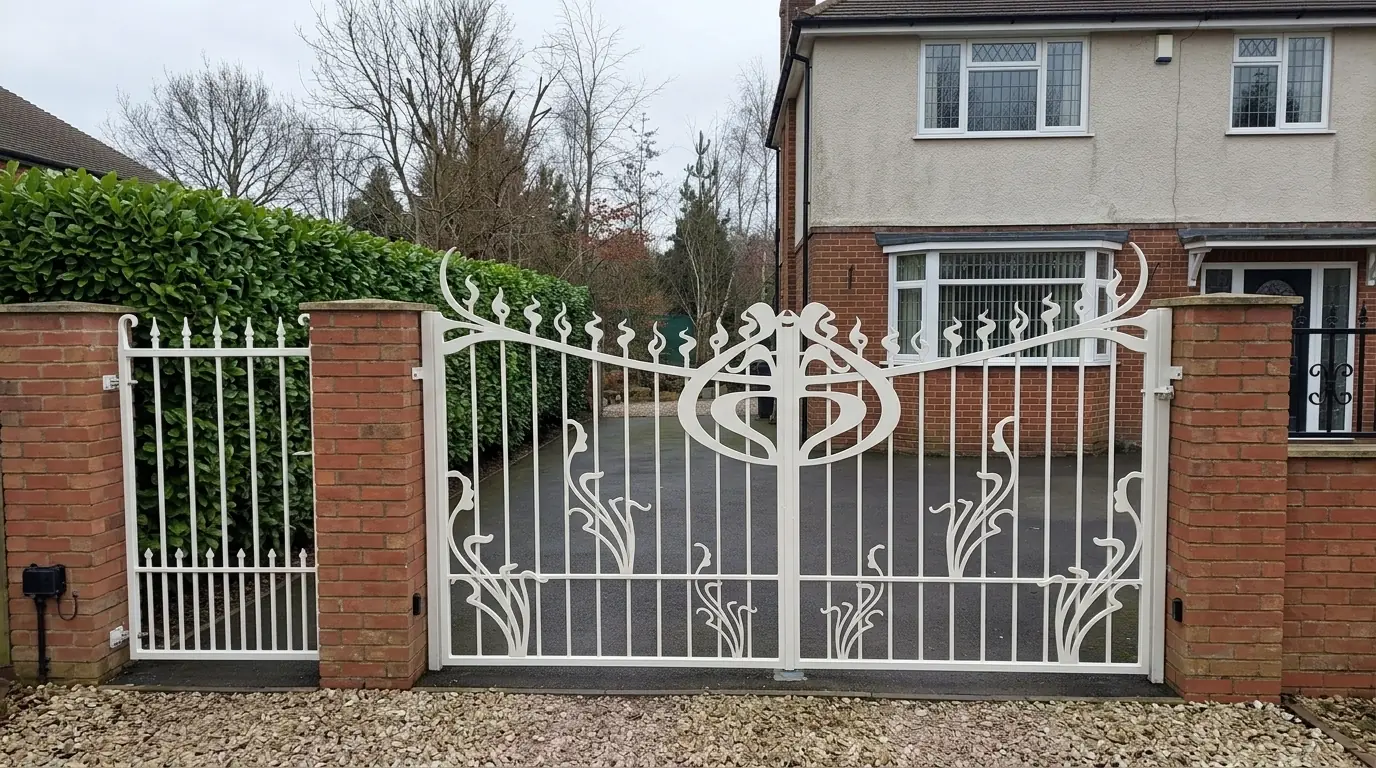
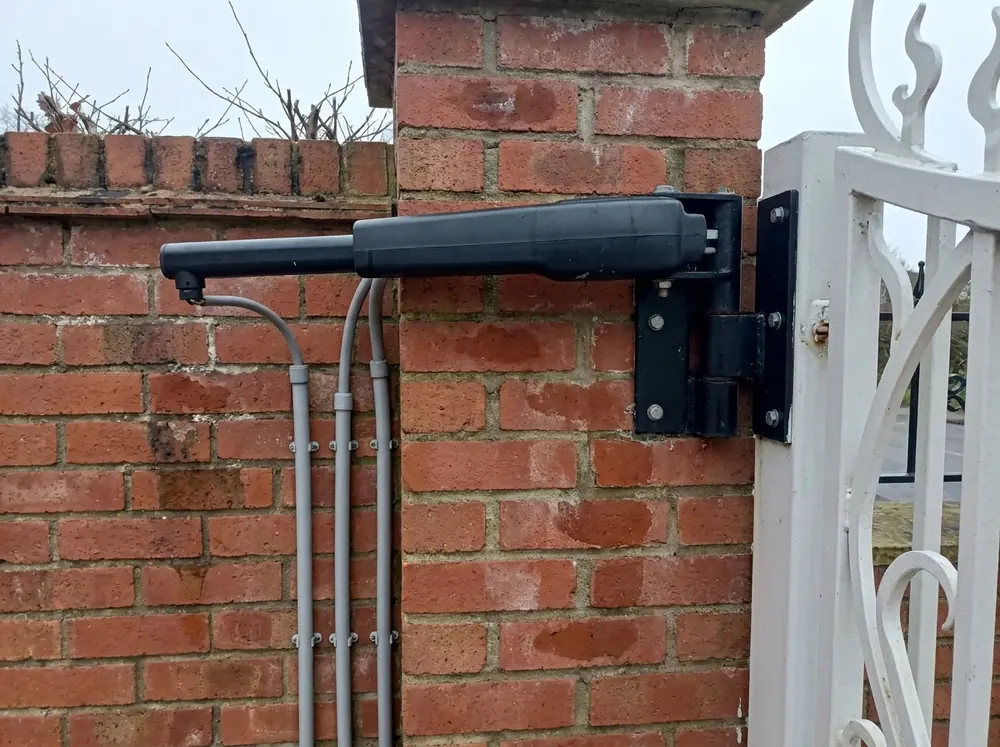
John the Gate Man is a gate specialist working across Lancashire and the South Lakes, covering four things: automating gates you already own, supplying and fitting new ones, servicing automatic gates so they keep working safely, and repairing them when they stop. Domestic driveways and commercial entrances both, on any make of drive.
Most enquiries start in one of two places. Either the gates are already there and you want them to open without getting out of the car, or something has failed: a gate has dropped and is catching on the ground, a motor has given up, or the gate opens fine and then refuses to close. Both are everyday work, and both usually cost less to put right than people expect, because the gates, the posts and the buried cabling are the expensive parts and they are rarely what has failed.
What we do
All services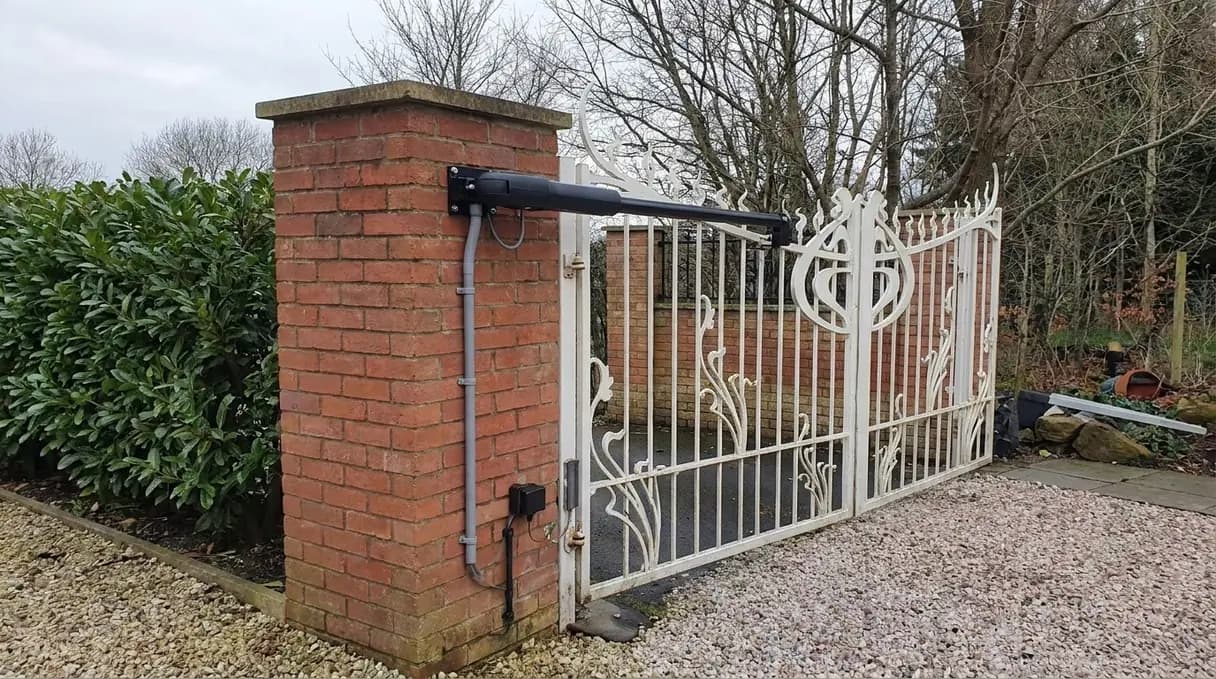
Gate Automation
Motorise the gates you already have, with the safety equipment the law requires.
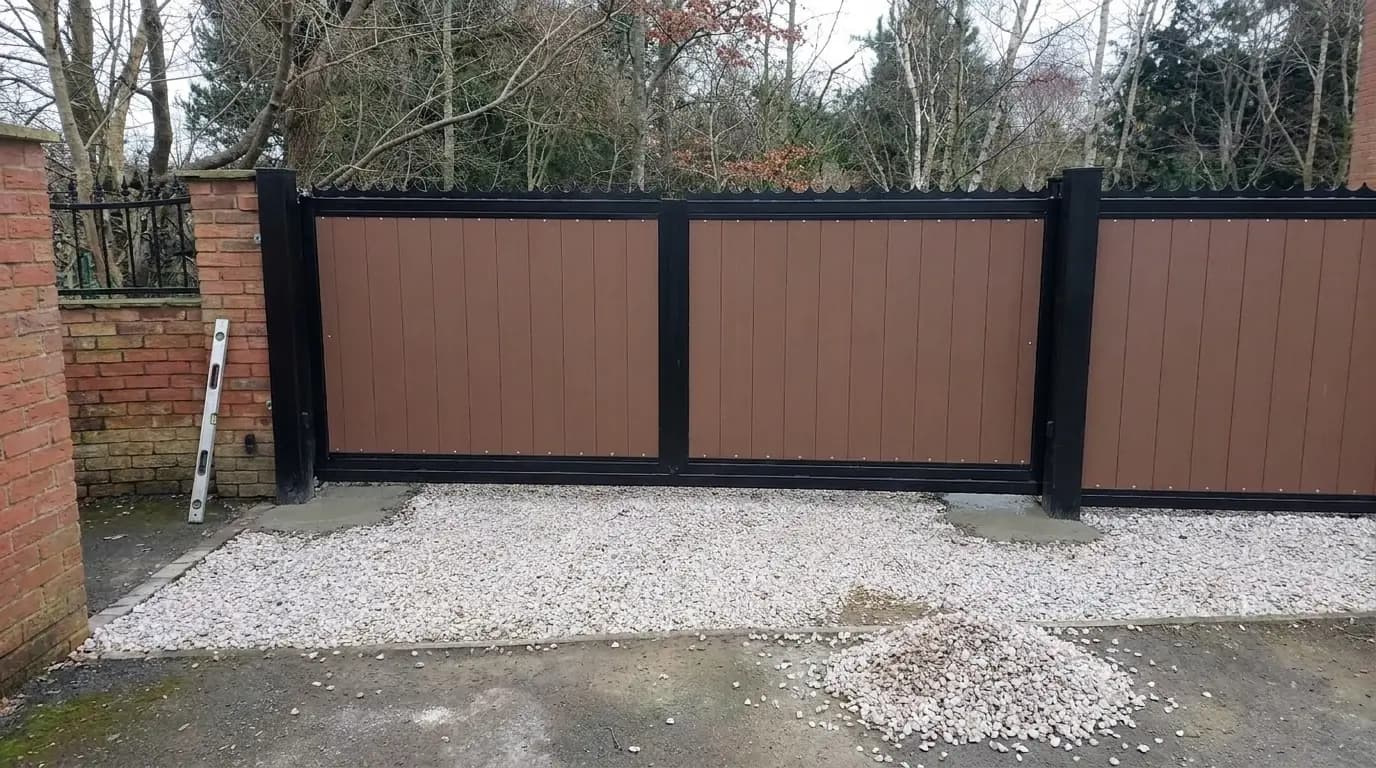
Gate Installation
New gates supplied and fitted, from the posts up, manual or automated.
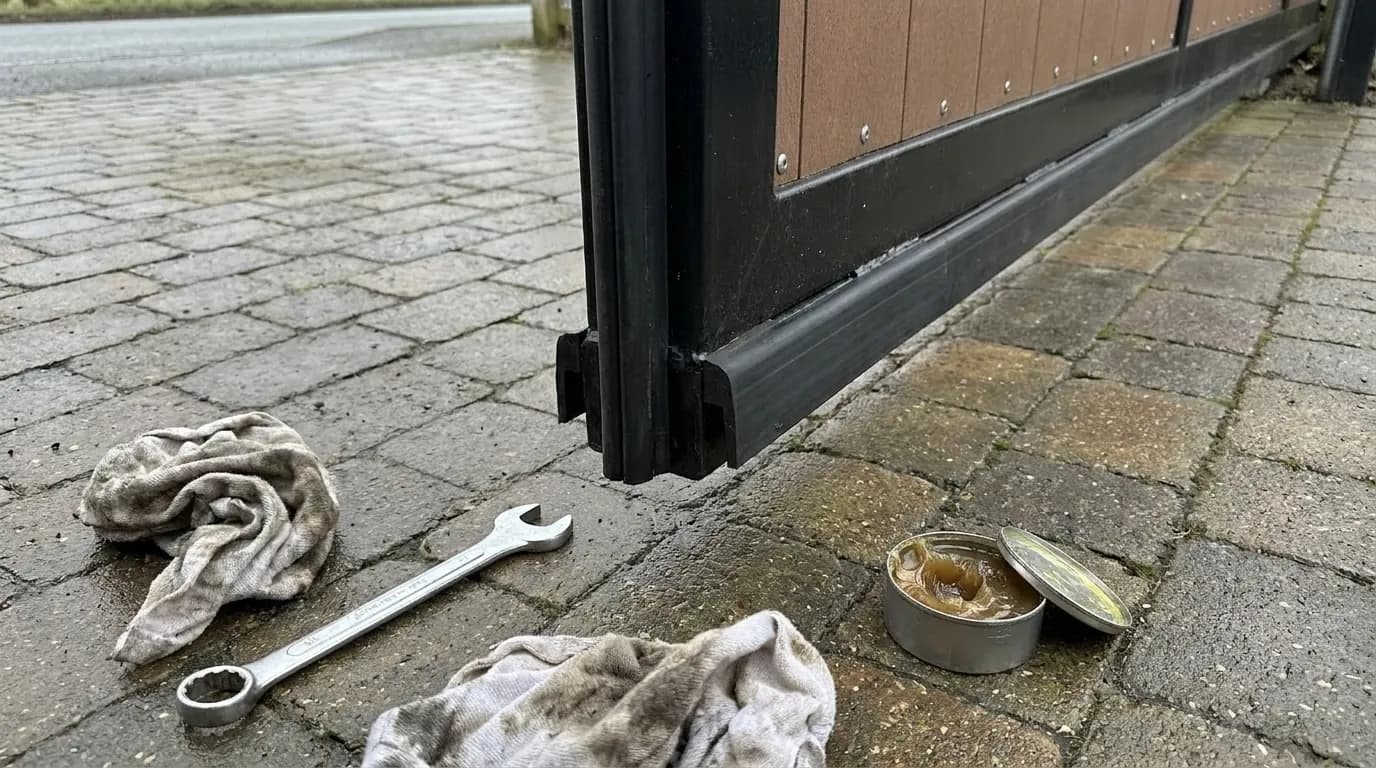
Gate Servicing
Planned maintenance and safety checks that keep an automatic gate legal and working.
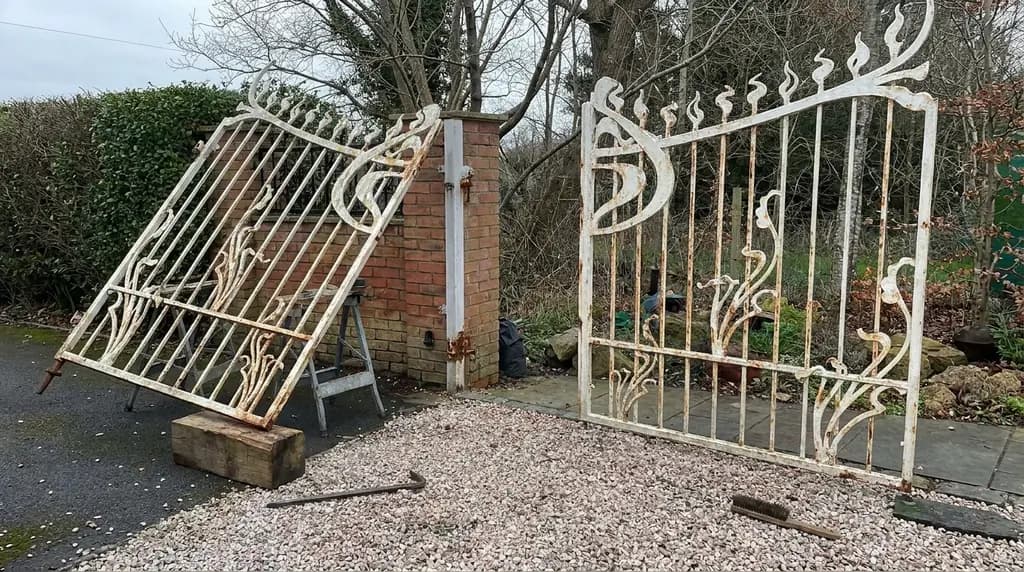
Gate Repair
Gates that have stopped working, dropped, or been damaged, put right.
What you get from a gate specialist
Gates are the job, not a sideline
Driveway gates sit awkwardly between trades. Fencers hang them but do not wire them, electricians wire them but do not hang them, and general builders do neither well. A gate that fails early nearly always fails at the join between those two halves: a post set for a light manual gate that cannot carry a motor, or a drive fitted to leaves that were never hung level in the first place. Treating the gate, the posts and the automation as one system is what stops that happening.
One point of contact for the whole life of the gate
Installation, automation, servicing and repair are all covered, so the same person who knows how your gate was set up is the one adjusting it two years later. That matters more than it sounds, because a gate is not finished at handover. Hinges bed in, posts settle, gates gain weight with rust and repainting, and the motor settings that were right on day one drift. Being able to pick the phone up to whoever set the limits saves a lot of guesswork.
The safety side taken seriously, because it is the law
A powered gate is legally machinery, not fencing. It has to be risk assessed, fitted with appropriate safety devices, and force tested against BS EN 12453 so it cannot trap or crush, and it has to stay that way for its whole working life. A great many gates on driveways today were fitted before anyone treated that seriously, or have had photocells fail quietly since. It is worth knowing where your gate stands.
Gate safety
What the law actually requires of a powered gate
An automatic gate is classed in law as machinery, in the same category as industrial equipment rather than as a piece of garden fencing. That means whoever installs a powered gate is responsible for assessing the risks it creates, fitting safety devices appropriate to those risks, force testing it and issuing a declaration of conformity. Force testing is a measurement, not an opinion: BS EN 12453 sets limits on how hard a gate leaf may push when it meets an obstruction and for how long, and those figures are read off a force tester on site. Photocells and pressure sensitive safety edges are the two usual ways of providing that protection, and which combination a given gate needs depends on its weight, its speed, its location and who can reach it.
The part that catches owners out is that the duty does not end at handover. Once a gate is in use, the responsibility for keeping it safe sits with the owner or occupier of the property, and on commercial sites and blocks of flats with the business, landlord or managing agent. Gates change as they age: hinges stiffen, leaves gain weight through rust and repainting, control boards get adjusted, and photocells drift out of alignment or fill with water and cobwebs. None of that announces itself. A gate with dead safety equipment carries on opening and closing exactly as it always did, which is precisely why it needs checking deliberately rather than being judged by whether it still works.
Covering Lancashire and the South Lakes
20 towns across Lancashire and the South Lakes, worked from a base at House Farm in Leyland. Pick your town for local detail on planning, access and the gates that suit the area.
Lancashire
- Leyland
- Preston
- Chorley
- Southport
- Ormskirk
- Wigan
- Blackburn
- Burnley
- Accrington
- Lancaster
- Morecambe
- Garstang
- Longridge
- Clitheroe
- Skelmersdale
South Lakes
The kind of work we do
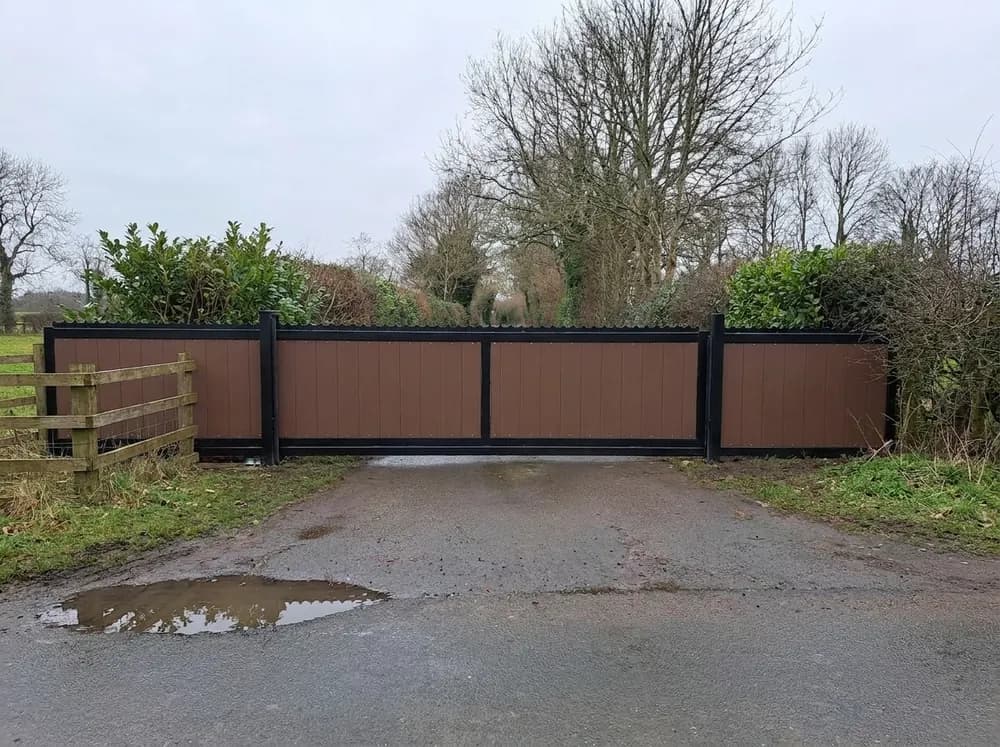
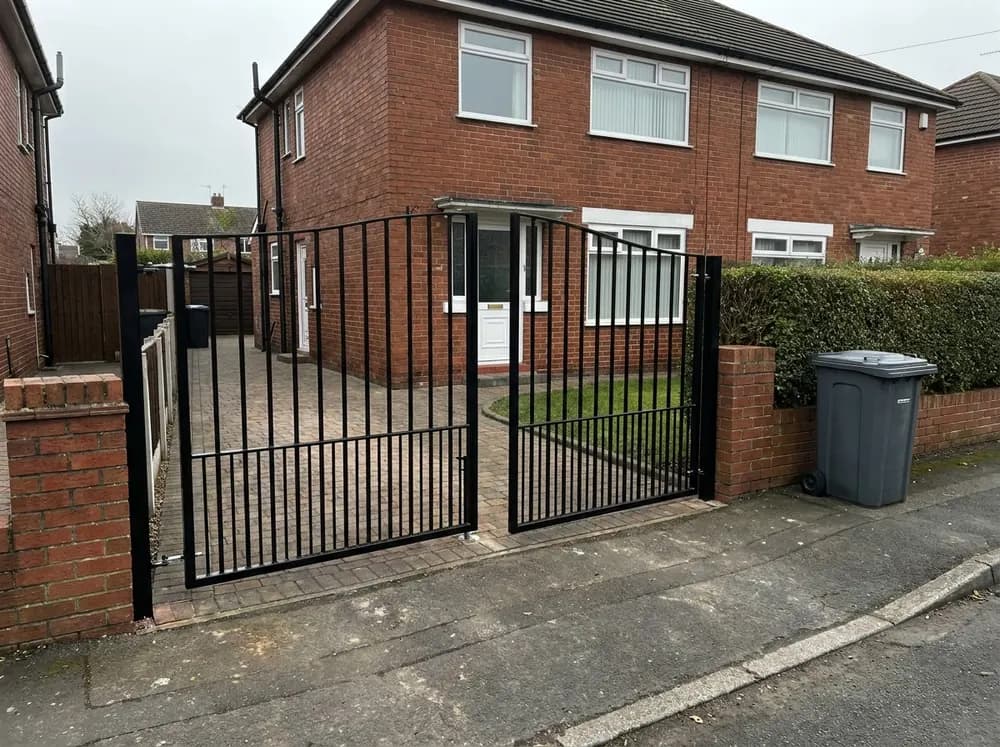
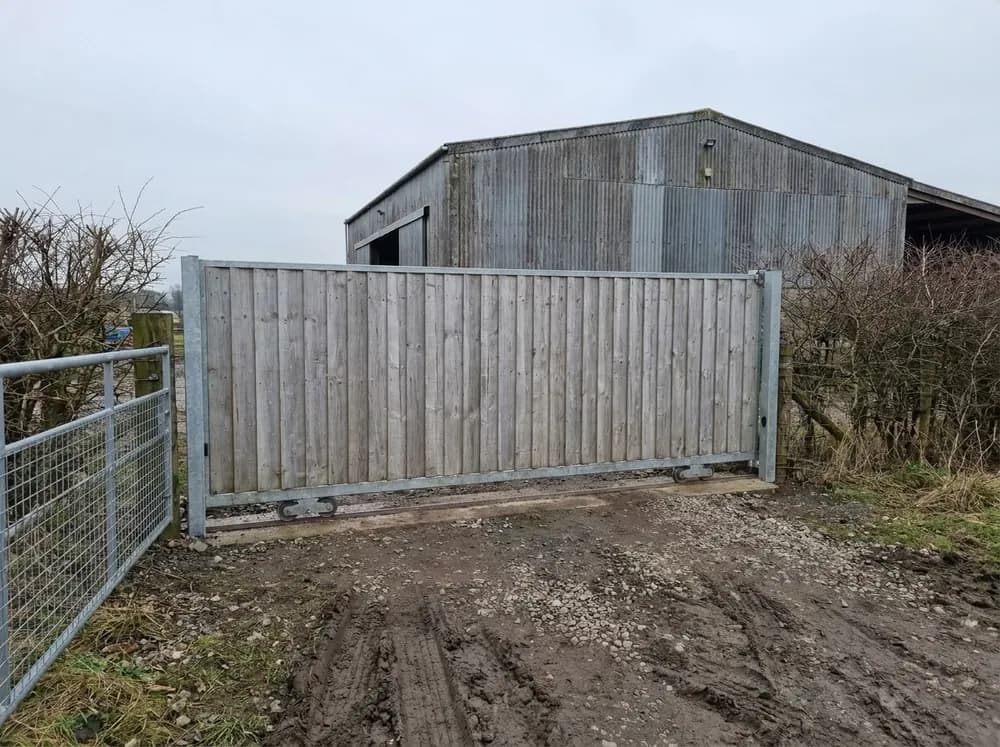
Common questions
What areas do you cover?
What are your opening hours?
Do you work on commercial gates as well as domestic ones?
Can my existing gates be automated?
Do you work on gates that someone else installed?
Does the safety law apply to a gate on a private driveway?
How do I get a quote?
What is the difference between a service and a repair?
Do I need planning permission for driveway gates?
What happens to an automatic gate in a power cut?
Should I have swing gates or a sliding gate?
How much do automatic gates cost?
Need a gate automated, serviced or repaired?
Call 07768 314082 and speak to the person who will do the work, or send the details and get a call back.